
Future-ready data center designs are increasingly driven by the need for efficiency, flexibility, and scalability in the face of ever-evolving operational demands. The traditional model of centralized and rigid infrastructure is being replaced by more dynamic solutions that cater to a variety of business needs, ranging from cloud computing to edge computing, with a strong emphasis on reducing environmental impact and optimizing energy consumption. One key aspect of future-ready data centers is their modularity, which allows for the addition or subtraction of resources as required. This design ensures that businesses can scale their infrastructure seamlessly, aligning with growth without committing to costly, overbuilt systems. Sustainability is another cornerstone of these modern designs. As the world grows more conscious of climate change and resource depletion, energy-efficient technologies and renewable energy sources have become crucial components. The use of green energy, alongside advanced cooling systems such as liquid cooling and free-air cooling, significantly reduces a data center’s carbon footprint.
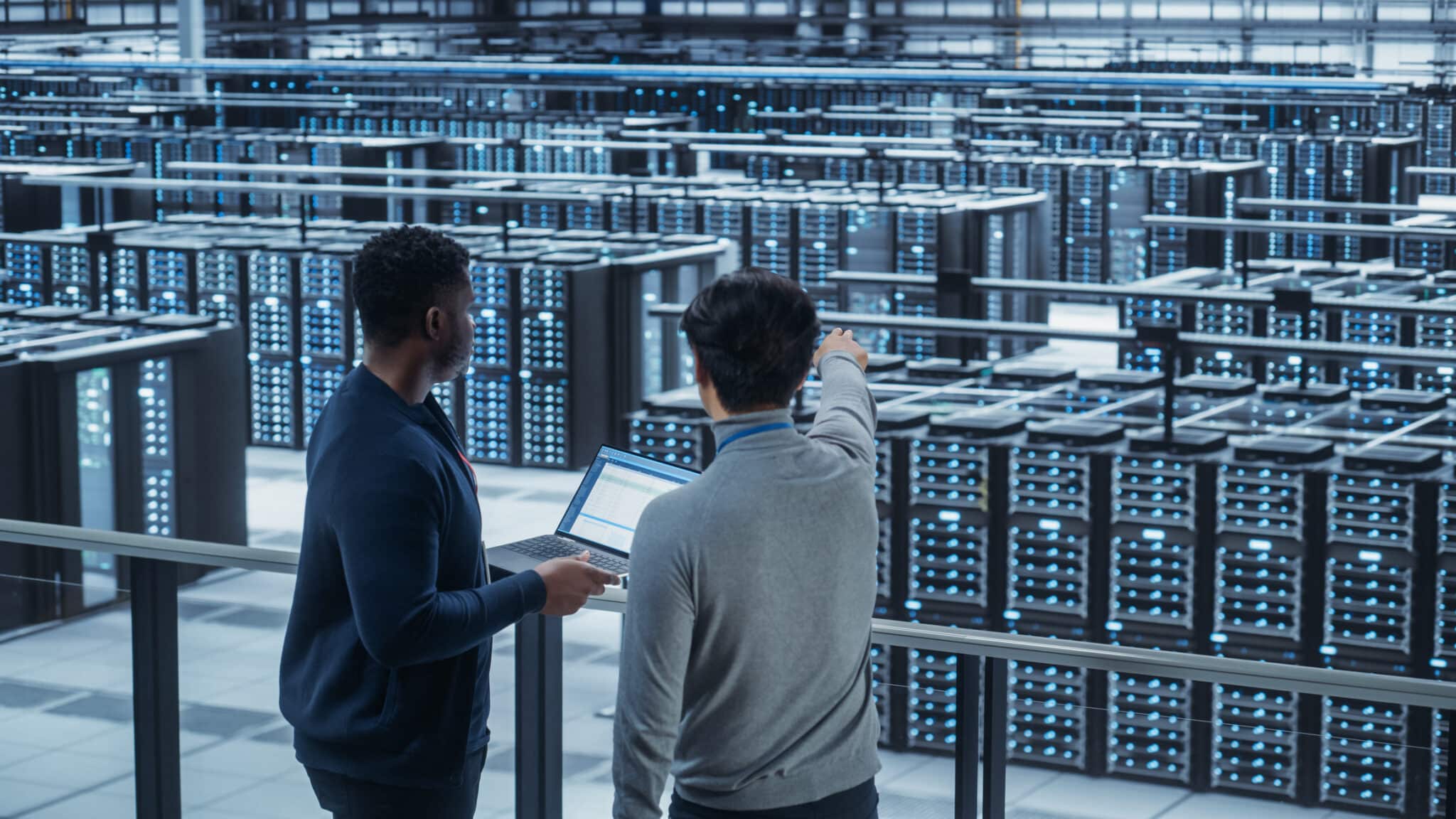
The design of power-efficient servers, coupled with real-time monitoring systems, further contributes to an eco-friendly and cost-effective solution. Data centers are also incorporating advanced AI algorithms to predict and manage load balancing, ensuring that resources are used optimally and waste is minimized. Furthermore, the flexibility in operational requirements demands that data centers be able to support diverse workloads, whether they involve handling big data, artificial intelligence models, or high-performance computing. The integration of software-defined infrastructure SDI and automation technologies enhances the adaptability of these centers, allowing them to respond to shifting demands in a timely manner. A data center that can seamlessly integrate with multi-cloud and hybrid environments offers businesses the flexibility they need to ensure that their IT strategies are aligned with their operational goals. Security and data privacy are also of paramount importance. As cyber threats continue to evolve, data centers are incorporating state-of-the-art security protocols, such as biometric access control, encryption technologies, and constant surveillance systems.
These ensure that both physical and digital assets are safeguarded against unauthorized access or breaches. Given the increasing use of IoT devices and edge computing, future-ready data centers also need to have the capability to securely manage and process data closer to the end-user, reducing latency and improving service delivery. They will be energy-efficient, scalable, and adaptable to diverse operational needs. By incorporating cutting-edge technologies, such as modular designs, AI-driven management, renewable energy, and robust security protocols, these data centers will empower organizations to stay ahead in an increasingly data-driven world. In conclusion, designing energy-efficient and secure data centers requires a comprehensive approach that balances operational efficiency, security, scalability, and sustainability. By engaging with expert design services, organizations can ensure that their data centers are not only equipped to handle the challenges of today but are also prepared for the demands of tomorrow. These facilities will remain resilient, secure, and energy-efficient, supporting the increasingly data-driven world while safeguarding the integrity of the information they manage.